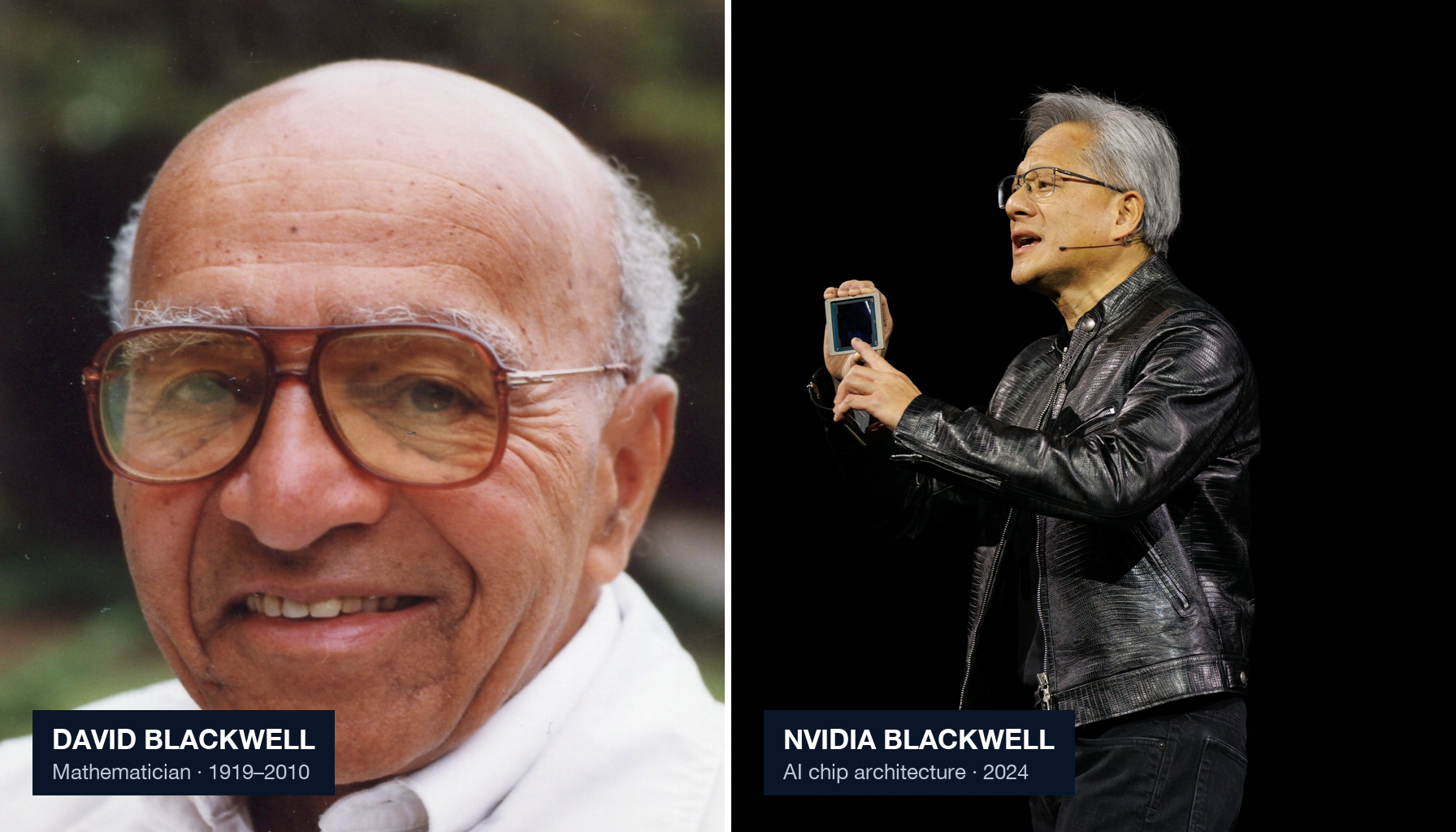
In March 2024, Jensen Huang walked onto the stage at NVIDIA's GTC conference and introduced “a very, very big GPU named after David Blackwell — mathematician, game theorist, probability.”
That chip went on to run the AI world for two years. The name on it belongs to a man Berkeley once turned away because of his skin color.
Huang said the name and moved on. Most of the room did too.
I didn't. Blackwell's name shows up in my field constantly — I teach biostatistics, and the Rao–Blackwell theorem is something students meet early. But almost nobody using ChatGPT, Claude or Gemini knows that the hardware behind those tools honors him. Or why.
So here's the story. With sources, because this one deserves to be told right.
A PhD at 22. And then the doors closed.
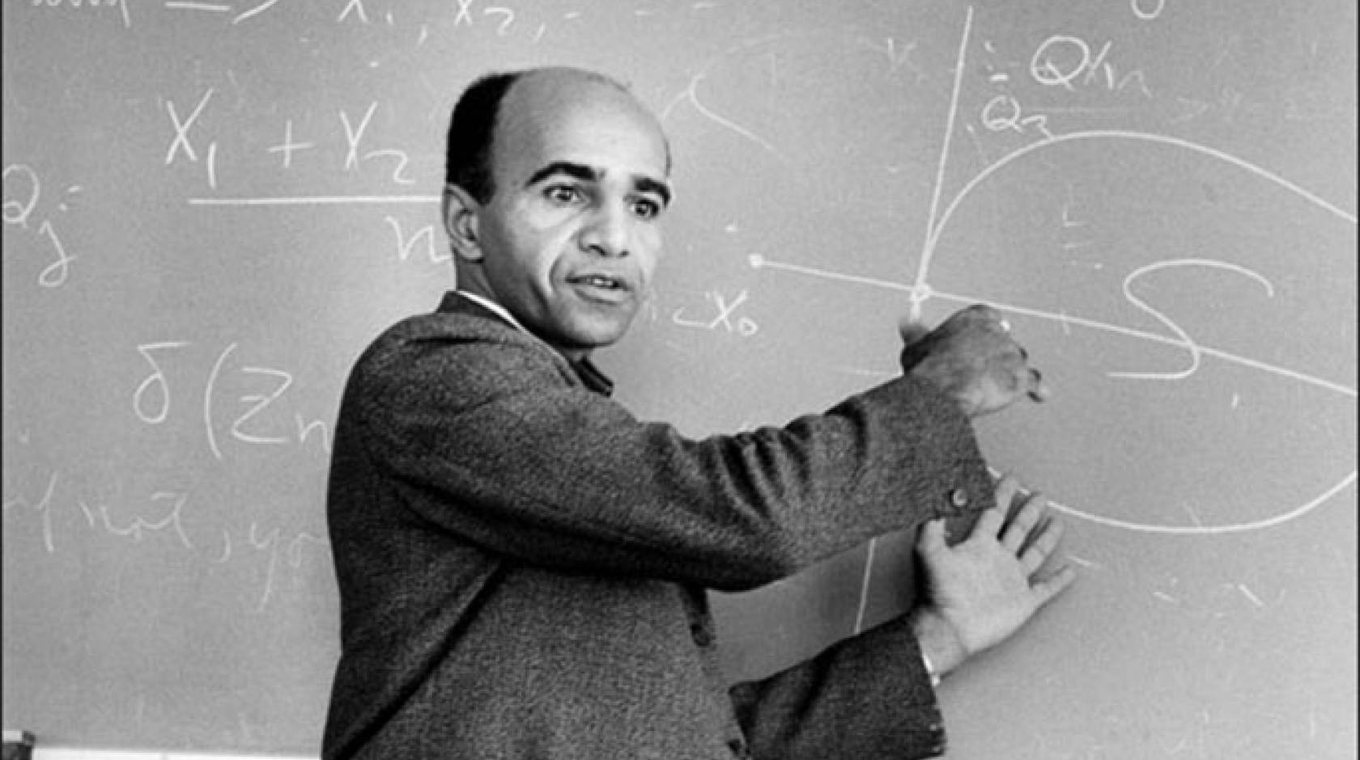
David Harold Blackwell was born in Centralia, Illinois, in 1919. He entered the University of Illinois at 16 and finished his PhD in mathematics at 22.
He went on to the Institute for Advanced Study in Princeton — and was kept out of lectures at Princeton University next door because he was Black.
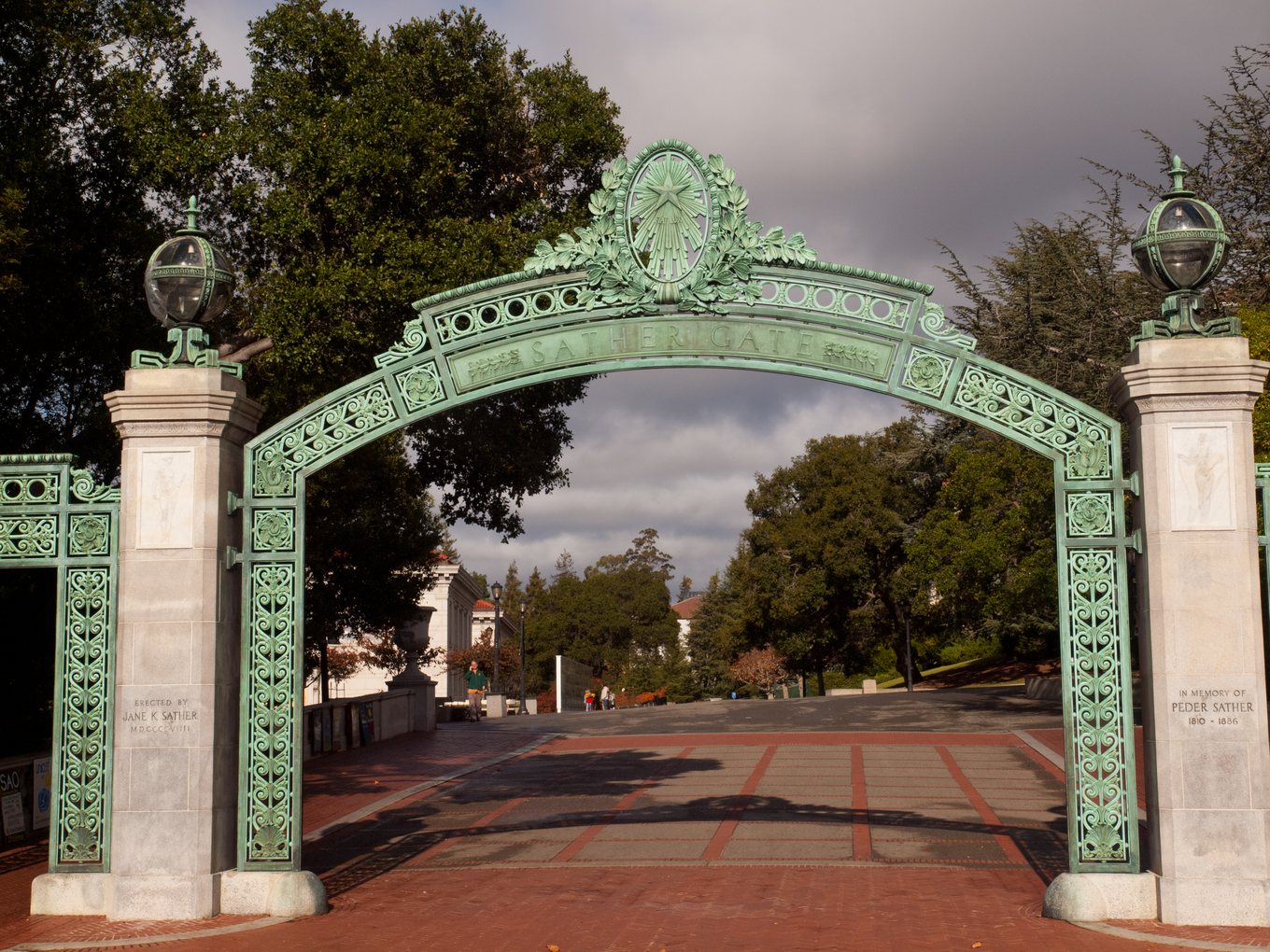
Around 1942, Berkeley came close to hiring him. The statistician Jerzy Neyman interviewed him and pushed for the appointment. It never came. Blackwell later learned that racial prejudice had blocked it.
He already expected most doors to be closed. So he wrote to historically Black colleges — more than a hundred of them.
Howard is where the work happened
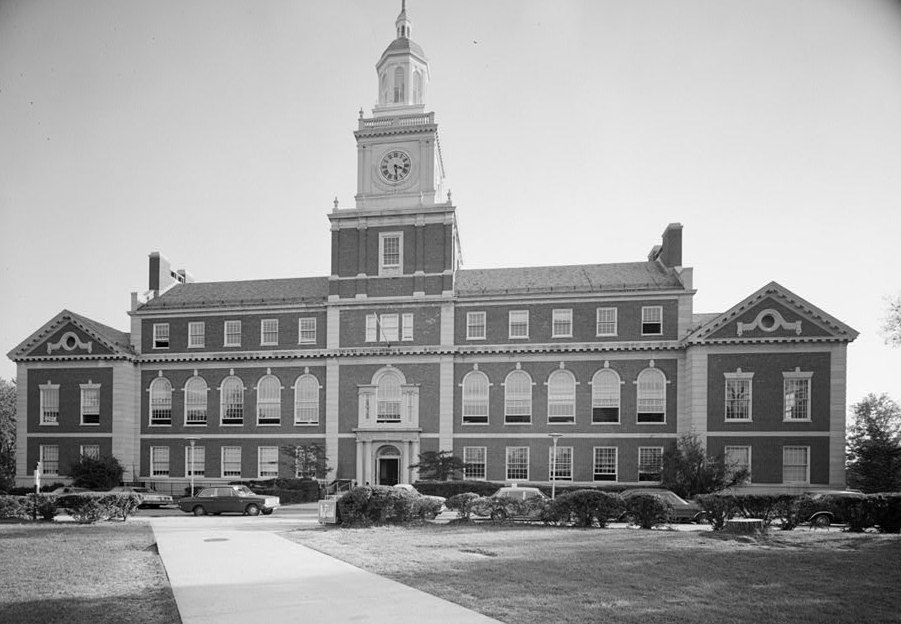
He taught at Southern University, then Clark College. In 1944 he joined Howard University, where he was one of four people in the math department. Three years later he was running it.
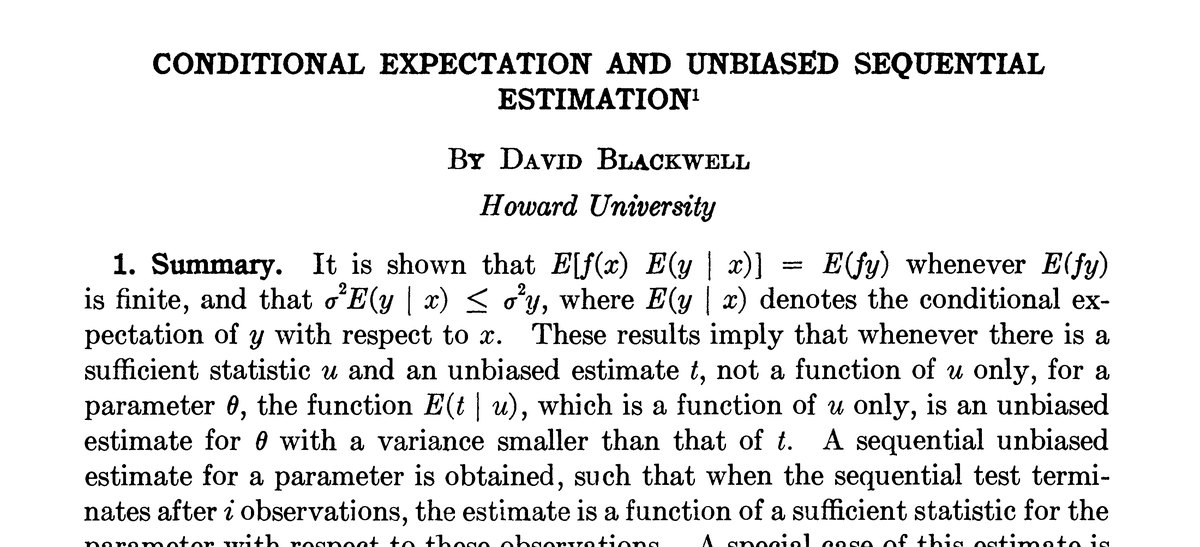
It was at Howard, in 1947, that he published a six-page paper called “Conditional Expectation and Unbiased Sequential Estimation.” It established his half of what's now called the Rao–Blackwell theorem. (C. R. Rao found the same result independently in 1945 — that's why both names are on it.)
The idea, in plain English: you can get a more reliable answer from the data you already have, just by summarizing it the right way. Same data. Better use of it.
So what does any of this have to do with AI?
This is where the internet gets the story wrong, so let me be careful.
David Blackwell did not invent ChatGPT. No single paper of his is “running inside” Claude. Modern AI was built by thousands of researchers.
But he is one of its genuine mathematical pioneers, and two more of his papers show up in ideas AI researchers still use.
In 1953, he asked a deceptively simple question: how do you know if one source of information is better than another? His answer was to judge it by the decisions it lets you make. Think of a sharp photo and a blurred copy. You can always make the blurry one from the sharp one. You can never get the detail back.
Then in 1956, he proved what's now called Blackwell's approachability theorem. It shows how a player can steer their average results toward a goal over many rounds — even when an opponent is actively working against them.
According to the Simons Institute at Berkeley, that theorem underpins reinforcement learning — the kind of machine learning where a system improves by being rewarded for good outcomes. It's also been used to model how sites like Amazon and Expedia rank products.
And reinforcement learning is part of how today's chatbots get refined: people rate responses, and the model learns to give better ones. That doesn't mean ChatGPT runs Blackwell's algorithm. It means it lives in a field of decision-making math he helped build.
The people who built the foundations of AI didn't all look like the people who get the headlines.
Dr. Erin JacquesBerkeley came back
In 1955, Berkeley hired him as a full professor in its new statistics department — its first Black tenured faculty member. He chaired the department two years later.
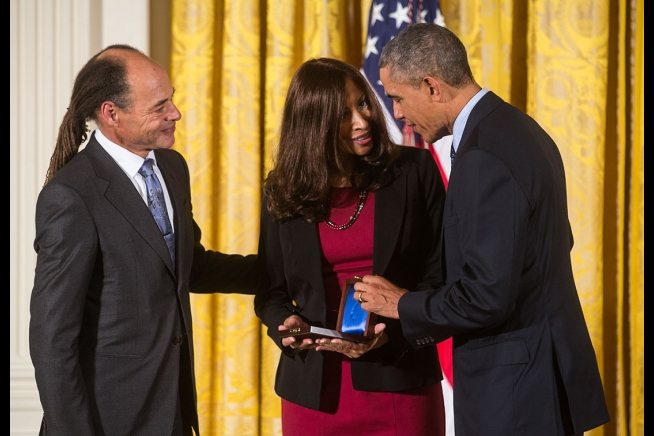
In 1965 he became the first Black member of the National Academy of Sciences. He mentored 65 PhD students, and colleagues remembered him for making hard ideas feel simple. He died in 2010, at 91.
Why NVIDIA put his name on the chip
NVIDIA names its chip architectures after scientists. Blackwell replaced Hopper, named for computing pioneer Grace Hopper. In its launch announcement, NVIDIA said the new architecture was named in honor of Blackwell — “a mathematician who specialized in game theory and statistics, and the first Black scholar inducted into the National Academy of Sciences.”
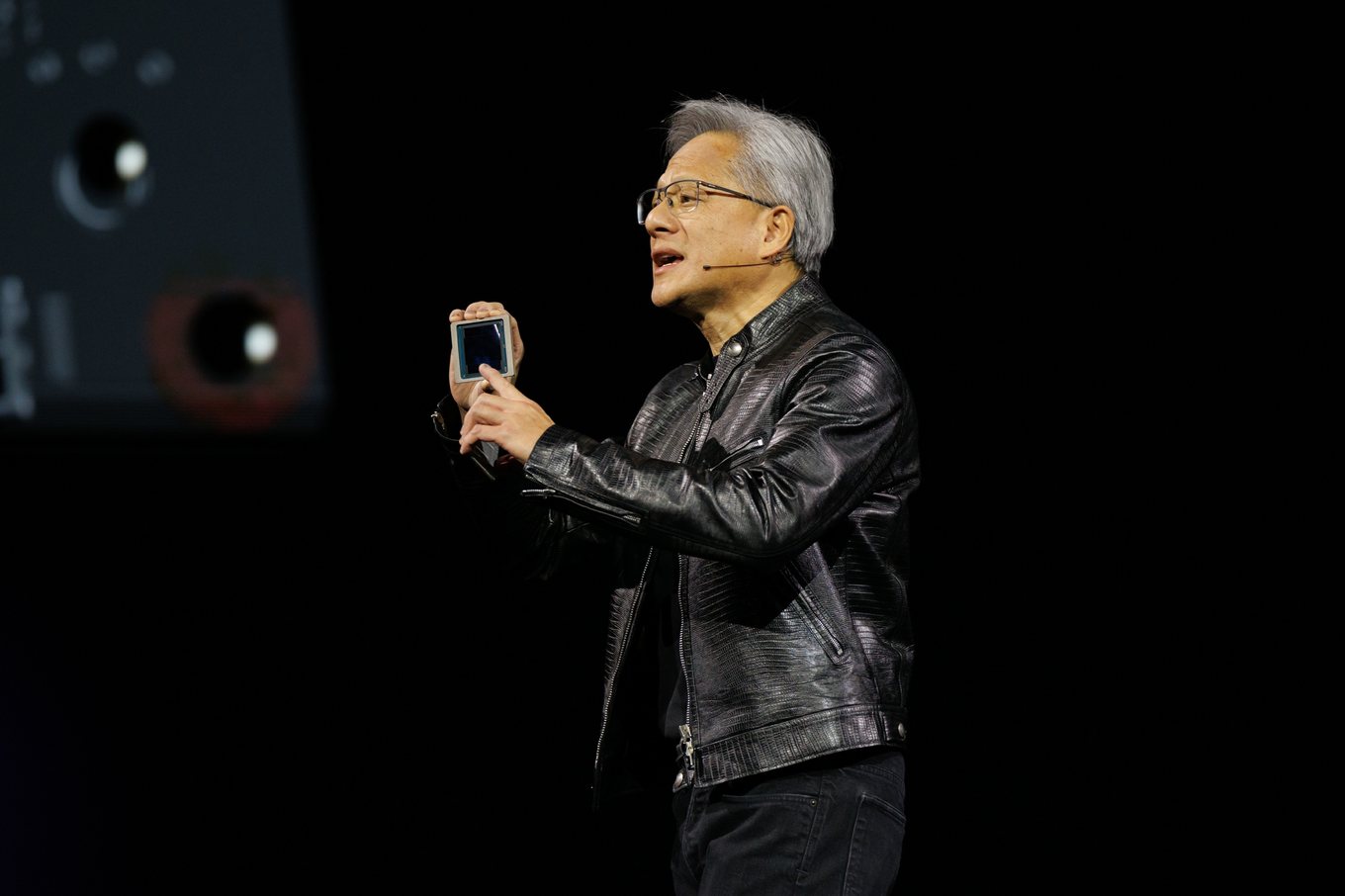
During its two-year run, Blackwell was the hardware behind much of the AI boom — Amazon, Google, Meta, Microsoft and OpenAI all lined up for it, before NVIDIA's newer Rubin chips began taking over the top slot.
Kudos to NVIDIA for the recognition. Huang said his name on one of the biggest stages in tech.
But most of the people using AI every day still don't know whose name that is. That part is on us.
So the next time AI saves you a few hours, thank Blackwell.
I put together a free reading guide with all three original papers, plain-English explanations and the sources behind this story.
Get the Blackwell reading guide →

Dr. Erin Jacques is a professor of informatics at the City University of New York and the founder of Leveraging AI and ChatifyIT, where she helps people build and monetize AI-powered web apps people pay to subscribe to.
Get AI News Weekly
How to build and monetize with AI, in one short email.